From the Culinary Trail: On Tofino Time

Summer in British Columbia is a wondrous time. “Let’s do a staycation and rediscover our favourite spots”, I said to my spouse, after reconsidering several overseas destinations. Unanimously, we settled on Tofino to kick off our summer of local travel.

The lure of Tofino is centered on the Pacific Rim National Park and its spectacularly long, untamed beaches with wild surf. But, we did not go there. Others are drawn to Clayoquot Sound and the Tofino Inlet for whale watching, canoeing and kayaking excursions. But, we did not do these. Nor did we hike in the rainforest, go bear viewing or take surf lessons. “What are you planning to do on your stay”, says a perky young girl at the reception desk when we checked in at our lodge. I tell her that we had no big check list but want to enjoy the slow pace, serene views and local food with a few beach strolls thrown in. She laughs, “That’s the secret to Tofino, I think.”

On Tofino Time Kake2Kale.com

Continue reading

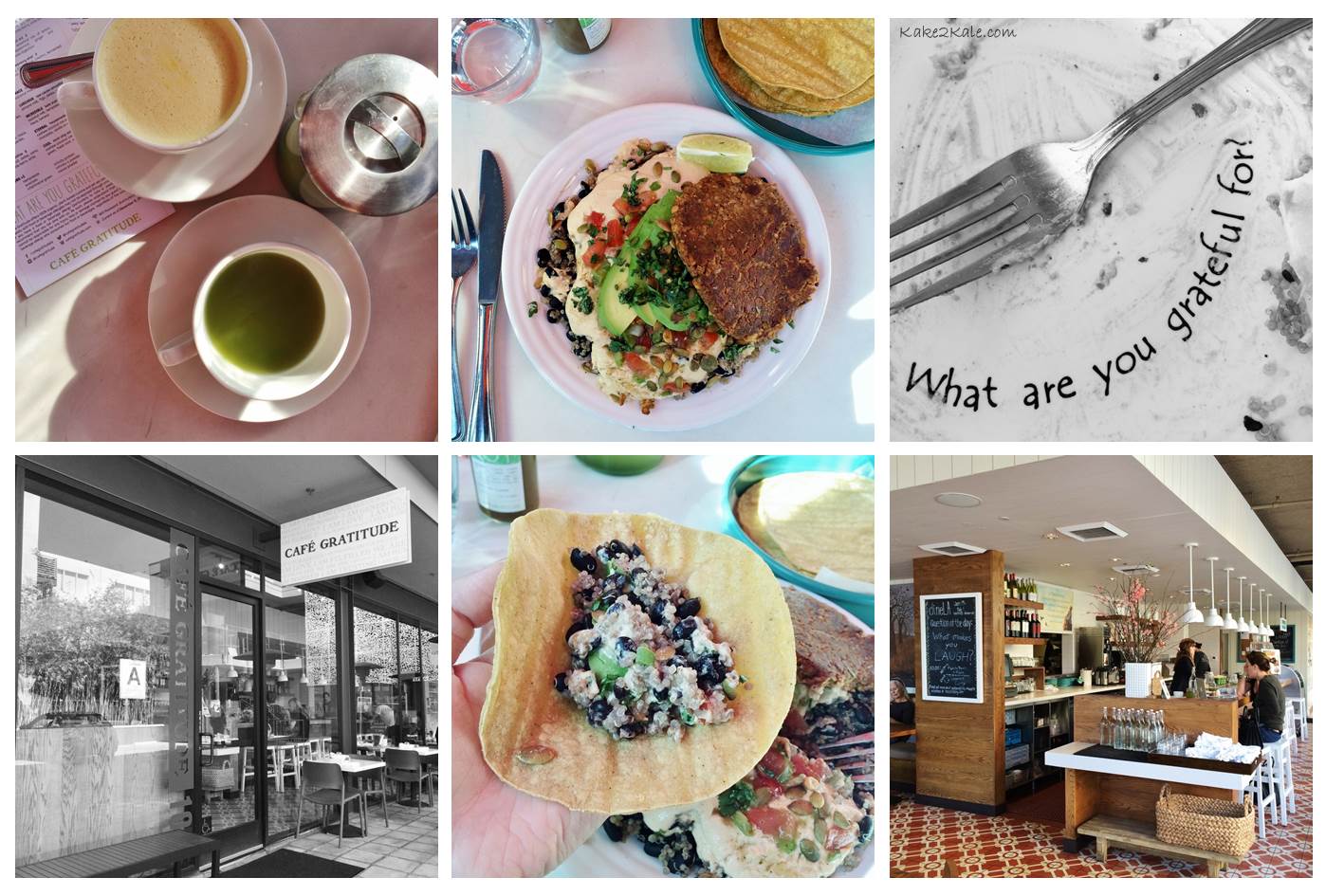
From the Culinary Trail: L.A. Moments

Los Angeles has never been a destination I’ve really considered for a holiday.  The city of angels and stars seemed too hectic and touristy for my liking.  And, my experience of dining in LA, eons ago, was unmemorable.  But in recent years, there’s been much buzz about the culinary and health food scene in LA and So-Cal.  This, plus the need to find some sunshine during the wet/gray Vancouver winter, were great reasons for a long overdue revisit – this time, it was for a girlfriend weekend get-away.  As my travel buddy is also a culinary blogger (The Wine & Food Concierge), I was in great company to sip and savour LA!

LA Cafe Gratitude Kake2Kale

Continue reading

From the Culinary Trail – An Appetite for Argentina Part 4

Long live the Gaucho Way!

At the end of our lengthy road journey around the Andes (described in my parts 1 to 3 previous posts), our party of four wanted to unwind and try another quintessential experience in Argentina, that is – staying at a horse ranch and enjoy riding the gaucho way.  For me, it had to be a genuine guest ranch and we were thrilled with our stay at Estancia San Agustin, which is no ordinary B&B.  It is the old world kept real! Without a doubt, it was the ‘local’ highlight of our trip. It is worthy of a dedicated post.

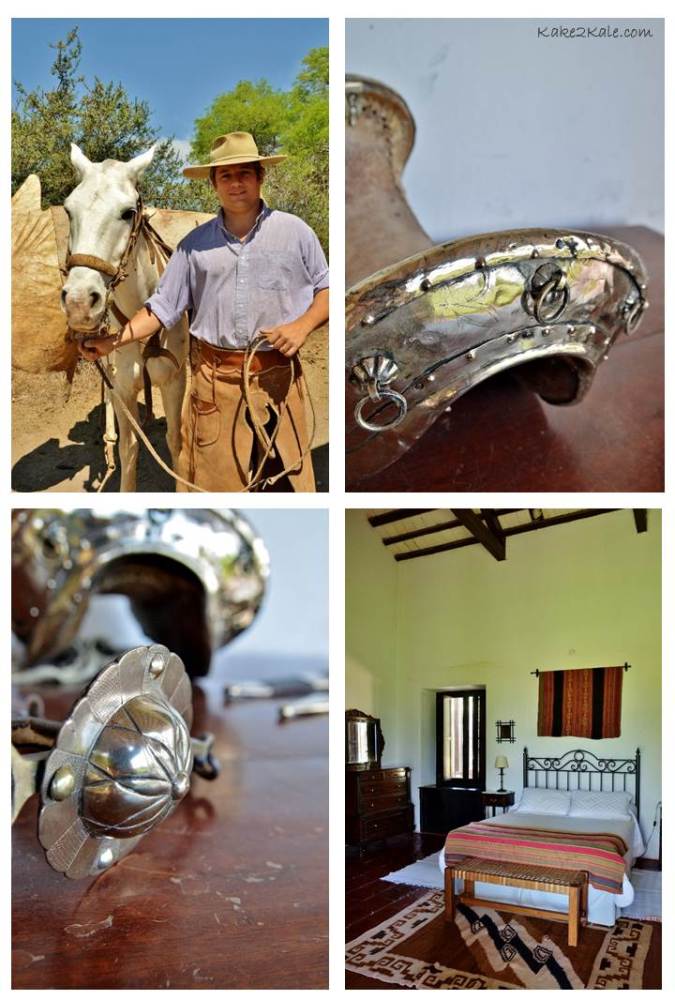
With its white chapel, tiled verandas, thick adobe walls, and hand-hewn rafters, Estancia San Agustin still looks very much like the colonial estate it was in the 18th century.   The head of the household, Carlos, along with his wife La Negra, and their staff went above and beyond to make our stay amazing++! Their warm welcome and hospitality made us feel right at home.

San Augustin 3 Kake2kale

Beautifully situated in the countryside, about 25 kms south of Salta, the sprawling estate has been part of the family for centuries.  Carlos and La Negra’s children have been married onsite, as they did and their ancestors before them. Rich in history and character, San Agustin is very much their home and not purpose-built for tourist.  We were grateful that they opened and trusted their home to us and other international visitors.   Every massive room or space is graced with beautiful colonial decor – family heirlooms, art, tapestry and furnishings.

San Augustin 1 Kake2kale

The house alone would make this Estancia worth a visit; but, San Agustin is also a working ranch for Peruvian Paso horses.  These horses are a special breed known for their gentle, smooth-gaited ride.  They were first bred in the 17th century in Peru as a cross between the Jennet, Barb and Andalusian horses which were brought to South America by Spanish Conquistadors.  The Paso horse has an elegant prancing gait, allowing for a comfortable ride whether in a trot or gallop.

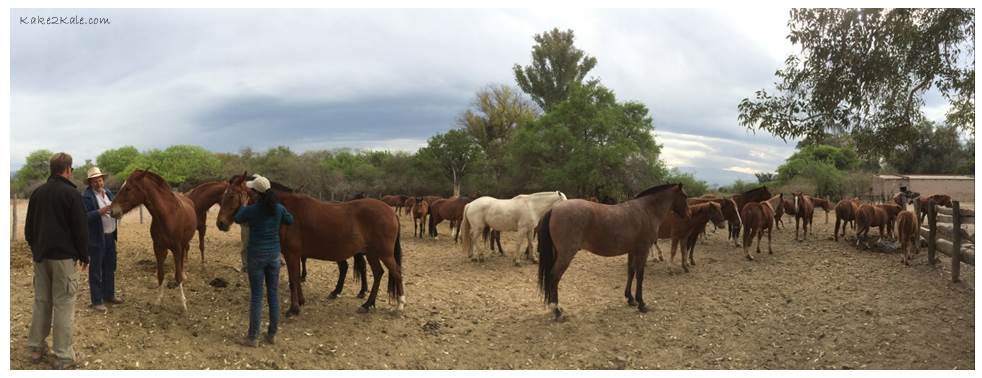
Carlos has been breeding Paso horses for 26 years.  He knows the name and personality of each of his many horses, and loves them like family.  Carlos told us that they are a very tame and elegant breed.  This we found to be true.  When we went into the corral, his beloved Paso horses sauntered over to meet us and many nuzzled us affectionately.

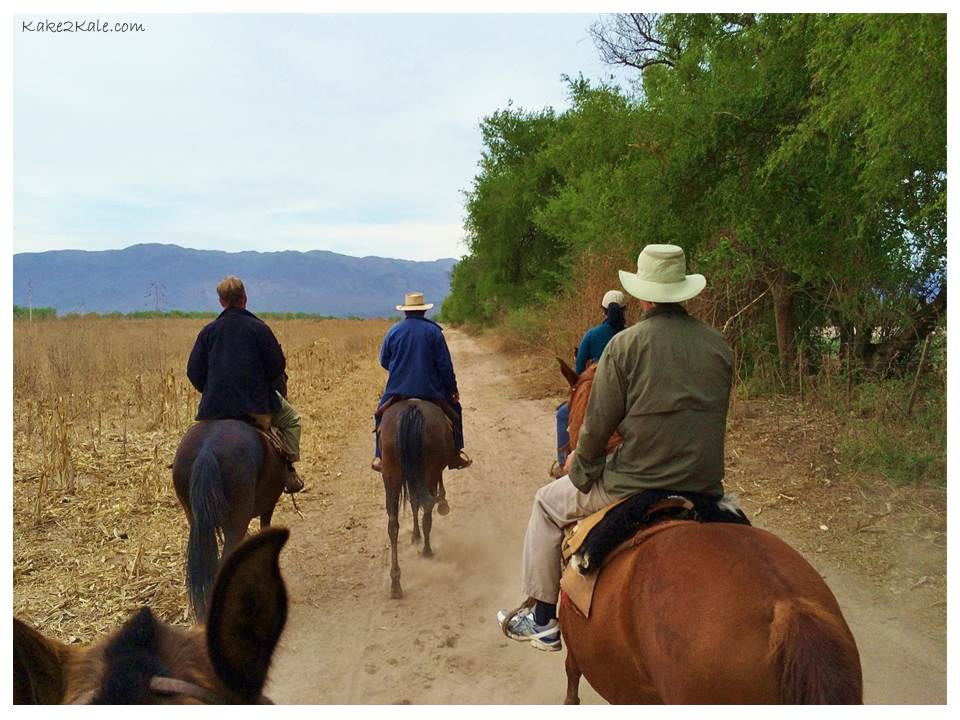
We were invited to ride with Carlos in the country-side and farm lands that he owned.  Indeed, the ride was incredibly smooth and comfortable.  Our horses were very responsive to our lead and I felt they enjoyed the ride as much as we did.  I now understand Carlos’ affection for his beautiful Paso horses. I share it too.

San Augustin 7 Kake2kale

San Augustin 4 Kake2kale

As we rode, Carlos told us about the gauchos and their long distance rides on Paso horses.  Gauchos are the Argentinian version of a North American cowboy.  They are excellent horsemen and worked at estancias to herd cattle.  Gauchos were a celebrated way of life in Argentina during the 18th to 19th centuries and are today an important part of the country’s folk history!  However, we got the impression that the gaucho culture is alive and well in these parts. But, whatever you do, don’t call them cowboys!
San Augustin 2 Kake2kale

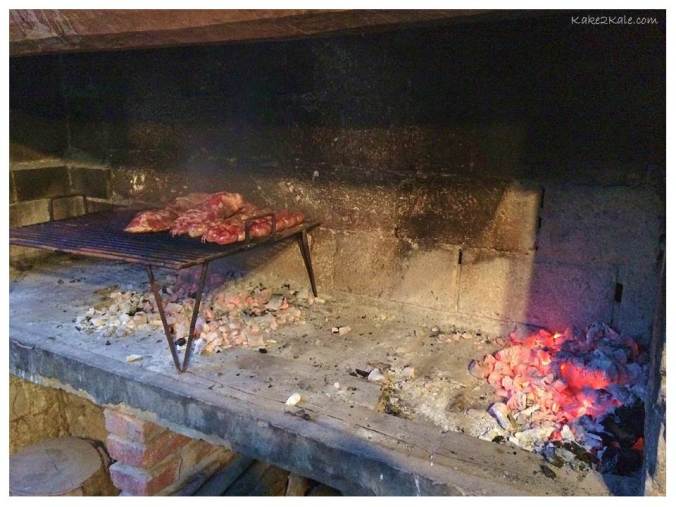
During our stay, we were also treated to exquisite home-made meals.  The most memorable was the Asado which was personally prepared by Carlos.   No doubt, you’ve heard about Argentina’s cattle and tender beef.   For the gauchos living a nomadic life on the wild plains, grilling meat was their main way of cooking.  Today, an Asado is the name given to a style of grilling or BBQing and also refers to the social event where the BBQ is the focal point.

As explained by Carlos, the Asado is prepared several hours in advance when he slowly reduces a fire to hot coals.  The coals are placed under a grill in a rectangular shape to create a gentle but even heat.  On the side is a reserve of additional coals that can be added to keep the grill hot for an extended period.  Carlos continued to tell us it is important that meats are cooked slowly and at the right temperature. While he cooked, we sat around his grill socializing and watching the meat cook to perfection.  Although not superfood-related, it was wonderful to get the real Asado experience! That night, we feasted on scrumptious sausages, steak and tenderloin.
San Augustin 5 Kake2kale

For dessert, there were two distinctly memorable dishes that we enjoyed at the Estancia which we didn’t see elsewhere.  The first was a dish made with spaghetti squash and sweet syrup.  Spaghetti squash is a superfood and contains lots of nutrients – folic acid, potassium, vitamins A and C.  The other dessert was dulce vigilante, a plain cheese topped with candied fruit such as quince or prunes (pictured below, lower left).

On the topic of desserts, other notable sweets that we tried in Argentina (and not necessarily at the Estancia) include dulce de leche (sweet milk) products such as cookies or cakes (pictured below, upper right).  We also had churros (deep fried fritters) in plain or chocolate (pictured below, lower right).

Although coffee goes well with all these desserts, I preferred to have coca tea (pictured below, upper left).  It is a herbal tea made from leaves of the coca plant, native to South America.  In case you didn’t know, coca is used to make Coca-cola products.  But, you may be surprised to learn, as I was, that coca plants are used for making cocaine.  But, chewing or making tea from the plants’ leaves do not produce any cocaine-related stimulating effects.  Instead, coca is rich in nutrients and has potential health benefits. Its alkaloids help to reduce body fat.  Its inulin can boost energy.  Its high concentration of vitamins and antioxidants are beneficial for the immune system. Coca also  aids in oxygen absorption which helps ease indigestion and altitude sickness.  I consider coca a superfood!

San Augustin 6 Kake2kale

Staying at Estancia San Agustin was the perfect end to a wondrous and memorable trip in NW Argentina, where nature reigns and time stands still. We felt the pull of the open road and loved it. The art of being authentic is perfected in this part of the country.  However, it may not last.  Our visit coincided with the region’s largest travel trade show which attracted international tour operator buyers wanting to develop packaged tours.   The truth is, NW Argentina is an up-and-coming destination so my advice is to visit soon, before Ruta 40 gets paved and mass tourism hits.

Travel Far, Explore More! – {Kale}

From the Culinary Trail – An Appetite for Argentina Part 3

What does quinoa, salt and llamas have in common?

After Cachi, it was time to move off Ruta 40 and make our way further north in Argentina, towards the border of Chile and Bolivia .   The anticipation of a new destination was trumped by the joy of driving on paved roads.  Our car hummed along the highway towards Salta and we were finally moving faster than 40 km/hour. Woo hoo!  The scenery continued to impress us as we crossed the massive Los Cardones National Park (home of giant cacti) and peaked at the Piedra del Molino Pass (3347 m, pictured below), offering incredible views of the mountains, canyons and valleys below.  As we descended steeply into the Quebrada de Escoipe and Cuesta del Obispo, the lovely paved road turned to a narrow dusty track that clung to the cliff side.  In several spots, the road’s edge collapsed from erosion.  We descended 2200 m in a 2-hour white-knuckle kinda drive, but we managed to find comfort in the dramatic landscape and in knowing that we we left early to miss all the tour buses crawling up the same road.

Salta 2 kake2kale

Quinoa, the ‘mother grain’

Another staple ingredient in Argentinian cooking is quinoa.  It’s a grain-like seed that has its origins in the Andean regions between Chile, Bolivia, Ecuador, Peru and Argentina.   The Incas referred to it as the ‘mother grain’, while the Spanish named it Quinoa, derived from the Quechua word for kinwa.  It is a powerhouse superfood!  Incredibly nutritious, quinoa contains all 9 essential amino acids making it a complete protein, which is perfect for vegetarians. It is high in fiber (higher than most grains), antioxidants, and minerals, while being gluten free and low on the glycemic index. It also contains Kaempferol and Quercetin, which may have anti-inflammatory, anti-viral, anti-cancer and anti-depressant effects, according to various studies.

Quinoa bake kake2kale

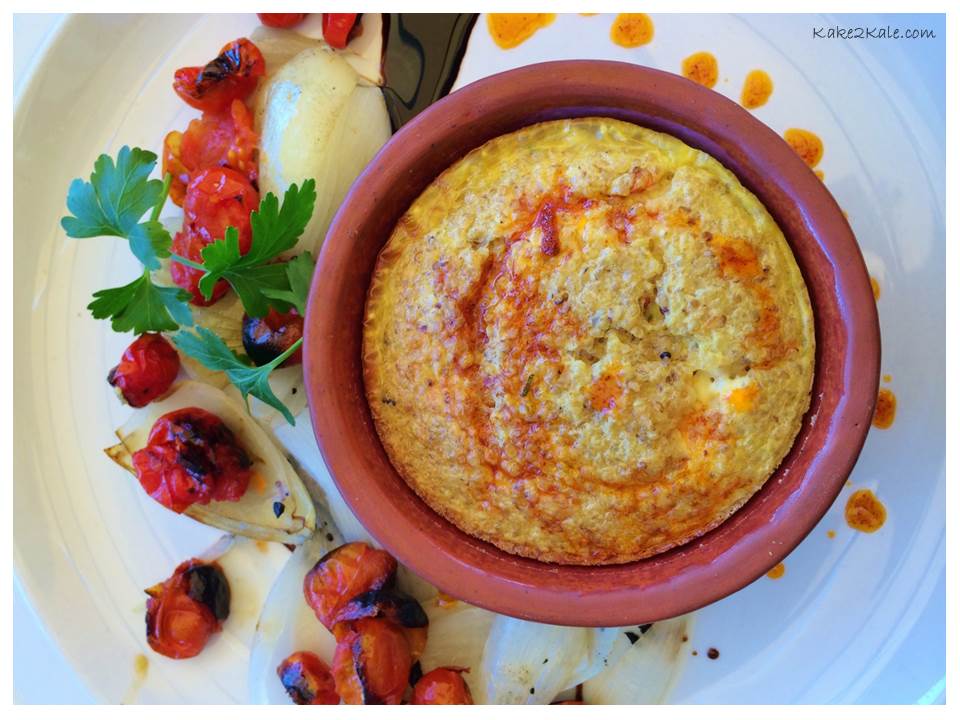
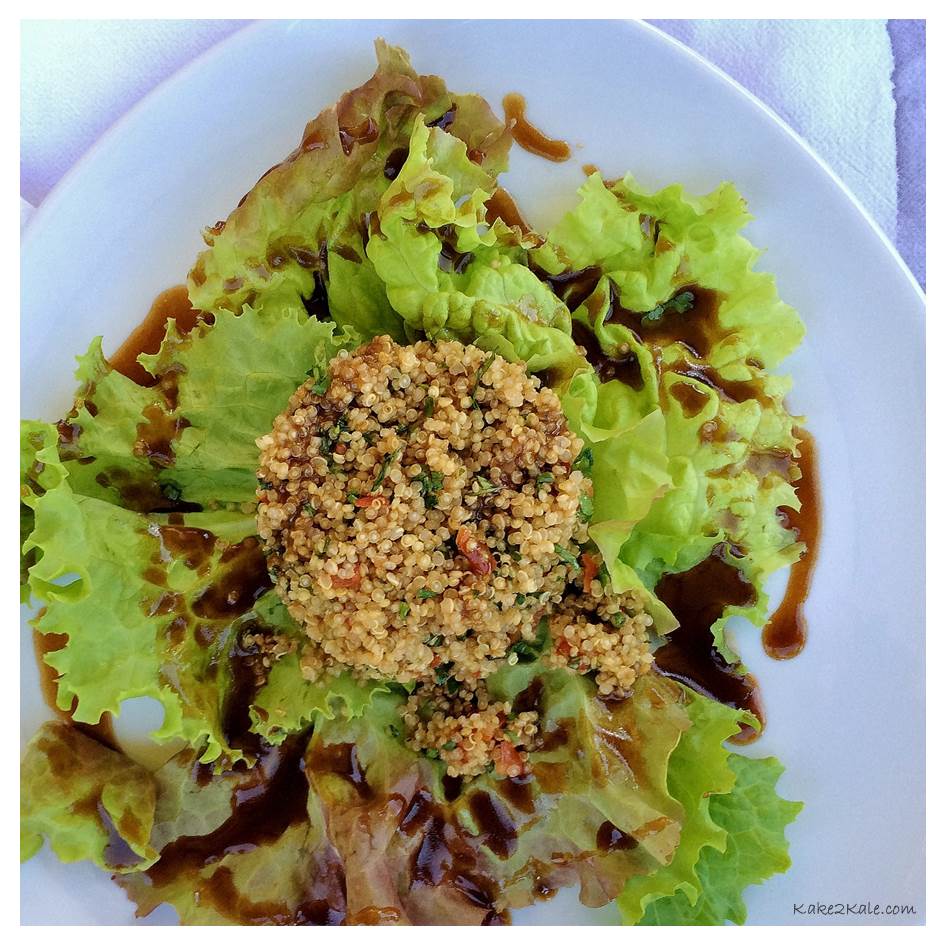
I started eating quinoa back in the early nineties, when it was lesser-known.  These days, quinoa is often in the spotlight.  In fact, the Food and Agriculture Organization of the United Nations declared 2013 as the ‘international year of quinoa’! At home, I mainly prepare quinoa as a salad with sauteed veggies; but on occasion, I have added it to make a flourless chocolate cake. While in northern Argentina, it was interesting to see how the locals prepared this superfood.   My two more memorable dishes was a baked quinoa pie (pictured above), and a quinoa tower salad (pictured below). Both delicious and appealing!

Quinoa salad kake2kale

Llamas and Salt

Our destination was Tilcara (2465m), a small village about 175 km north of Salta in the Jujuy province.  Located in the Quebrada de Humahuaca Gorge (Unesco World Heritage Site), Tilcara is quaint and rustic – perfect as a base for exploring yet another fascinating part of northwestern Argentina.

Tilcara 1 kake2kale

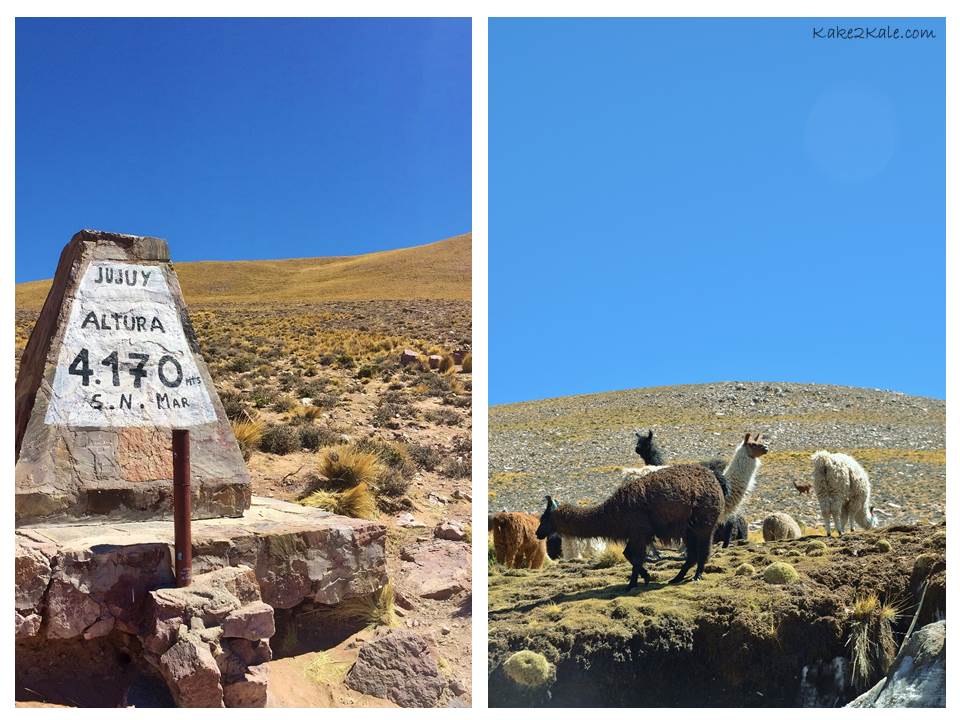
There are three must-do highlights in Tilcara! The first is La Garganta de Diablo (Devil’s Throat) hike which starts from the village. The 7 km trail takes hikers up along a striking red-rock gorge (pictured below), surrounded by panoramic views.  At the end, there is a steep trail down to the bottom, followed by a stroll along a river to view hidden waterfalls.  Then, the next top experience is the archaeological site of Purcara de Tilcara. Declared a National Monument,  it is a well preserved pre-Inca fortification located on a hillside overlooking the village.  After hiking around the Diablo and the ruins, we were famished.  This leads to the third highlight, which was dining at the El Neuvo Progresso restaurant. We felt it was the best choice in town and certainly had the best llama dishes.  Llamas (pictured below) are camel-like animals found in the Andes Mountains and used for their wool, meat, skin and transporting goods.  I seldom find llama meat at home, and while it’s not a superfood, I wanted to try it.  It was served to me in three styles – carpaccio, grilled and stewed, and all were really tasty.  The meat is fairly lean and the flavour is comparable to bison.

Tilcara 2 kake2kale

Salinas Grandes 2 kake2kale

Beyond Tilcara, we ventured higher into the Andes to seek out one of the largest salt desserts in South America – Salinas Grandes – covering about 8000 square kms and located at 3400 m above sea level.  To give you a comparison, this salt flat is about the same height as the Mount Etna volcano in Sicily and nearly as high as Mount Fuji in Japan.  The drive to and from the salt dessert was another big road adventure.  A short distance from Tilcara is the town of Parmamarca, which is famous for its ‘hill of seven colours’ and artisan market.  From this town, a paved road winds up the side of the valley in a ribbon of switchbacks to a mountain pass at 4170 m.  Beyond the pass is the Salinas Grandes.  All the while, we’re surrounded by huge stretches of wild and barren land.

Salinas Grandes was once a lake. Now dried up, the salt concentrations are being mined for its sodium, potassium, and lithium brime.  Nothing appeared to live or grow on the salt.   The sheer size and scale of the dessert is what makes it captivating.  The patterns and texture of the salt was interesting; but most of all, the brightness of the salt was dazzling.  One could easily kill many hours wandering around, enjoying a picnic, and taking goofy pictures…as we did.

Salinas Grandes kake2kale

Salinas Grandes 3 kake2kale

So, what does quinoa, salt and llamas have in common? They simply all co-exist in this wild Andes environment. When we set out to explore this corner of Argentina, we were hoping to find remote and unspoiled places with unique local flavours.  Well, we got what we wanted, and more!

Travel Far, Explore More! – {Kale}